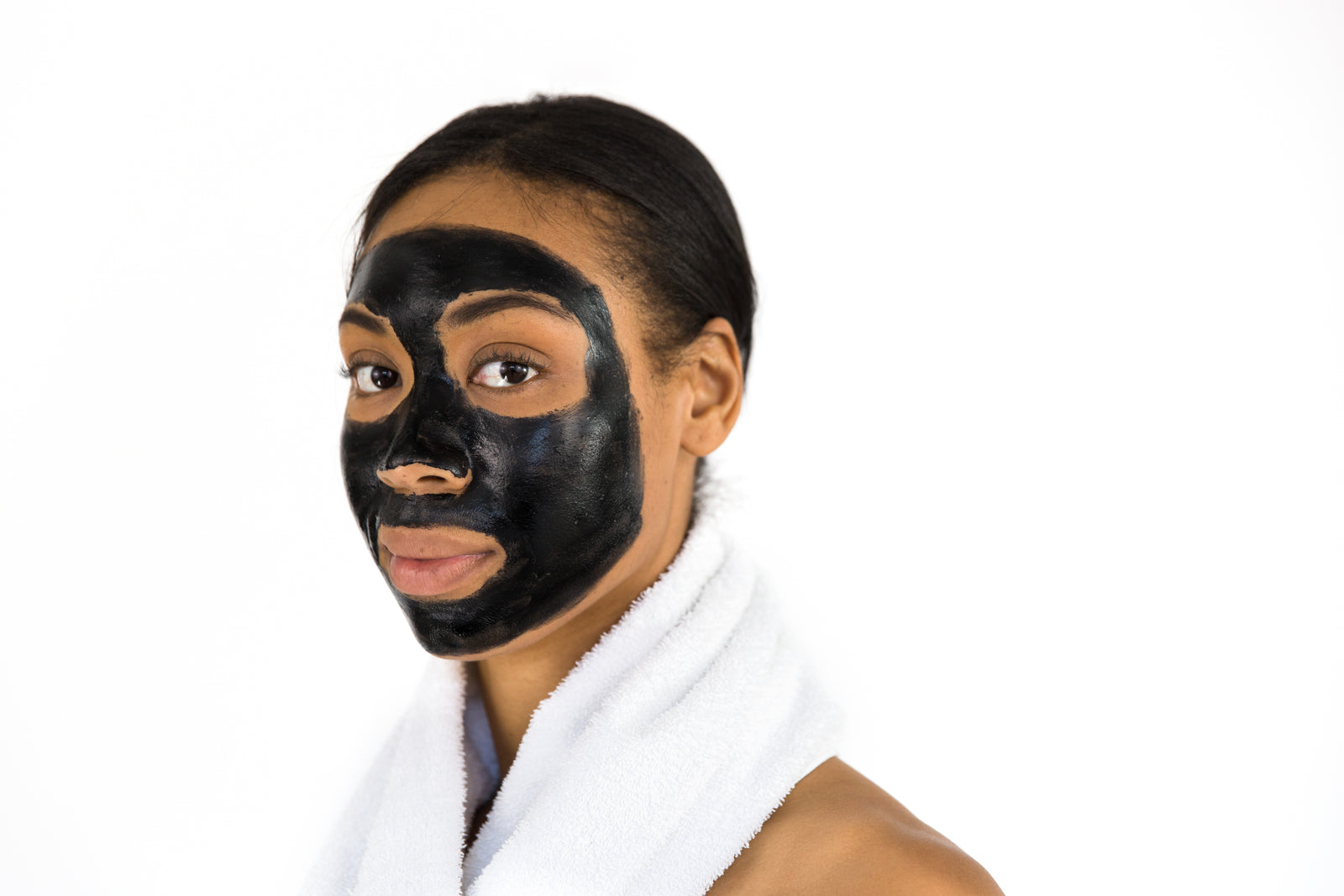
Body image can enter the room before anyone else does. It arranges the lighting, decides which parts of you are allowed to be seen, and sometimes writes a review of an experience you have not had yet.
That does not mean the body is the problem. It means the conditions around being seen deserve more attention than a mirror usually gets.
01. The mirror is not a verdict.
A mirror records a surface. It does not tell you whether you are desirable, safe, generous, curious, or loved. Those are relational experiences, not measurements.
If looking in the mirror reliably makes you feel worse before intimacy, you are allowed to change the ritual. Cover the mirror. Move the lamp. Wear the thing that helps you feel present. Comfort is not vanity; it is preparation.
02. Choose the conditions.
Lighting, temperature, clothing, music, privacy, and time all change how exposed you feel. None of these details is too small to matter, and none has to be explained as a flaw.
Try naming the condition rather than the insecurity: “I want softer light,” “I need the door closed,” “I would rather keep this on for now.” A condition is easier to work with than a judgment about the body.

03. Use language that leaves room.
Praise that lands on the body’s appearance can feel wonderful, neutral, or uncomfortable. Praise that lands on presence can open a different door: “I like being close to you.” “I feel safe with you.” “I want to know what feels good to you.”
If a partner says something that lands badly, you do not have to turn it into a referendum on the entire relationship. Name the impact and ask for a different kind of attention.
04. A gentler check-in.
- 01What do I need to feel private?
Door, light, time, clothing, sound. Make it concrete.
- 02What am I willing to notice?
Warmth, breath, a texture, a feeling—not a scorecard.
- 03What would help me stay present?
Slower pacing, eye contact, a pause, a different room.
- 04What is my exit?
Agree on a phrase or signal. A comfortable exit makes the entrance safer.
Pleasure is not a reward for feeling confident enough. It is an experience you are allowed to approach with care, curiosity, and limits.
05. When to get support.
Body image can be connected to anxiety, depression, trauma, eating concerns, or other health experiences. This essay is general education, not a diagnosis or treatment plan. If distress is persistent or affects your daily life, speak with a qualified clinician who can respond to your full context.
Adults 18+. This essay does not diagnose or treat any condition. For personal health concerns, seek qualified support.